The Challenge of Wireless Communications and Their Infrastructure” Opening Conference of Wireless & Towers 2026
18 Giugno 2026
European space economy: the challenge shifts to software, data and security
15 Luglio 2026
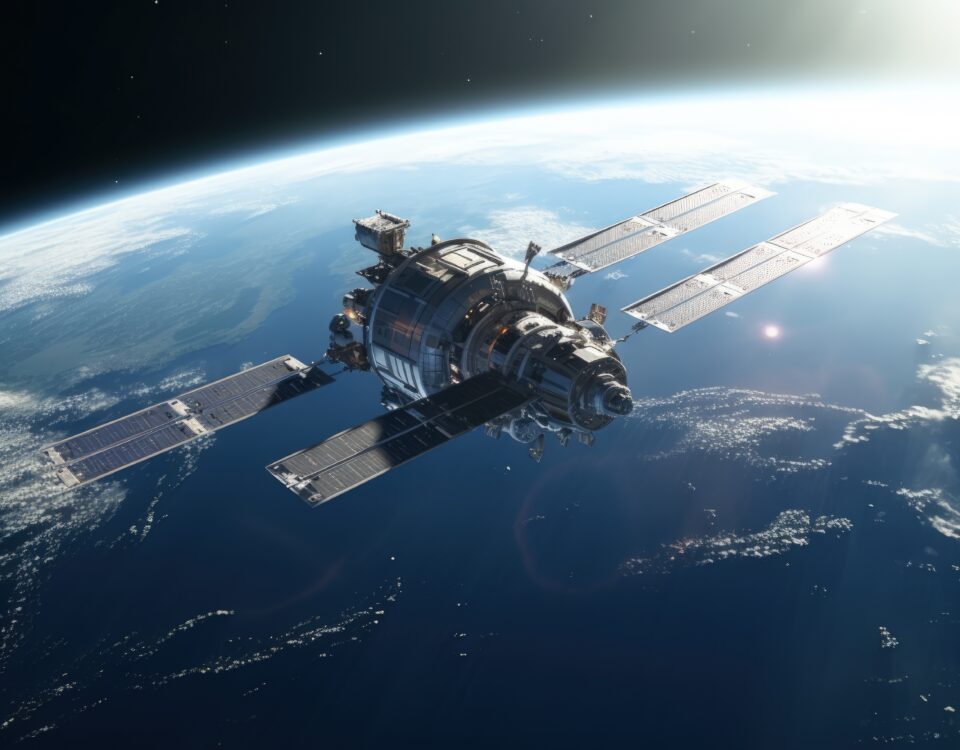
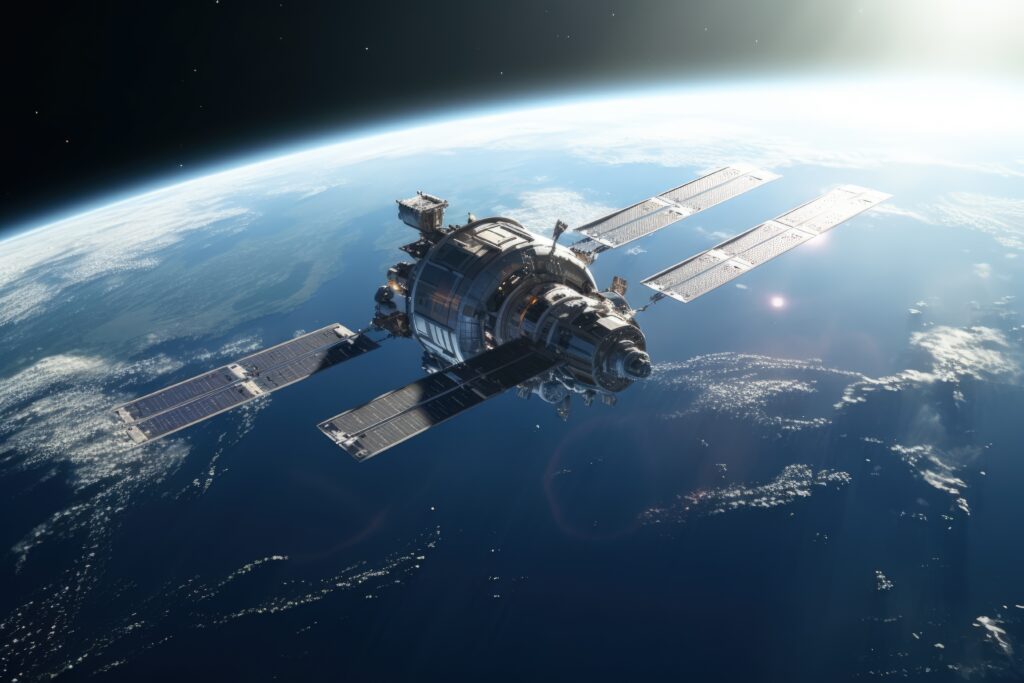
Direct-to-Cell (D2C) satellite connectivity is preparing to enter a new phase of development, driven by the expansion of partnerships between mobile operators and satellite providers. However, despite strong growth prospects, the market will still have to contend with demand that remains limited to specific use cases.
According to estimates included in the Direct to Cell Market 2026-2031 report by Juniper Research, the number of monthly active users of D2C services will grow from 17.4 million expected in 2026 to around 133 million by 2031. This represents a significant increase, driven by the entry of new satellite operators and the expansion of commercial offerings integrated into traditional mobile services.
Market growth will be mainly supported by stronger collaboration between telecom operators and companies specialized in satellite communications. The arrival of new players, along with the evolution of low-Earth orbit constellations, is accelerating the path toward broader commercial availability of Direct-to-Cell services.
The technology allows standard smartphones to connect directly to satellites without requiring hardware modifications, extending communication coverage to areas lacking terrestrial infrastructure. This model is attracting interest from operators seeking new opportunities to extend their service footprint beyond the limits of traditional mobile networks.
Despite its growth potential, analysts highlight that Direct-to-Cell is not a universal solution to mobile coverage challenges. The main issues experienced by users continue to occur in urban and indoor environments, where buildings, reinforced concrete structures, and physical obstacles degrade signal propagation. In these scenarios, direct satellite connectivity faces similar technical limitations and cannot replace the effectiveness of terrestrial infrastructure, small cells, or dedicated indoor coverage systems. As a result, consumer demand remains largely concentrated in occasional situations such as travel, hiking, and stays in areas far from conventional mobile network coverage.
Opportunities for remote areas and outdoor tourism
The main value of Direct-to-Cell continues to emerge in rural, mountainous, and poorly served areas lacking terrestrial infrastructure. In these contexts, the technology can help bridge the coverage gap without requiring new investments in towers or traditional radio networks.
According to Juniper Research, usage growth will be particularly evident during peak tourist seasons in outdoor destinations, nature parks, and remote areas. To capture this mainly seasonal demand, operators could adopt more flexible pricing models, introducing temporary passes or services activated only during periods of actual use. This strategy would improve adoption of Direct-to-Cell services while also strengthening their economic sustainability within the global wireless ecosystem.
Wireless & Towers 2026, scheduled from 7 to 9 October 2026 at Bologna Fiere, is the first international trade fair and conference in Southern Europe dedicated to transmission towers, infrastructure, technologies, and equipment for telecommunications, broadcasting, satcom, geospatial applications, security sectors, smart cities, emergency services, and territorial management. The event is part of the new European exhibition hub Urban Tech 2026 – The Urban Technology Show (e-mobility, traffic, commuting, security, telecom & data, environment).